
When it comes to upgrading your home’s lighting, few fixtures offer the perfect combination of form, function, and flexibility quite like LED puck lights. These compact, versatile little powerhouses have revolutionized the way we think about task and accent lighting, particularly in kitchens.
But what exactly are LED puck lights, and why are they becoming the go-to choice for under cabinet lighting? This complete guide will walk you through everything you need to know, from the basics and benefits to buying advice and step-by-step installation. Whether you are a homeowner looking to brighten up your cooking space or a contractor seeking the best solutions for your projects, this is your one-stop resource for all things LED puck lights.
What Is a LED Puck Lights?
A puck light is a small, round lighting fixture that, as the name suggests, resembles a hockey puck in shape and size . Despite their compact and low-profile design, these lights pack a significant punch when it comes to providing focused illumination. They are specifically engineered to fit into tight spaces where larger, bulkier fixtures cannot go, offering targeted lighting for specific tasks or highlighting décor and architectural features.
The core of a puck light is its light source. Traditionally, these fixtures used halogen or xenon bulbs, which were inefficient and generated significant heat. Today, the market is dominated by LED puck lighting, which uses Light Emitting Diodes . This transition to LED technology has transformed puck lights from a simple accent piece into a highly functional, energy-efficient, and long-lasting lighting solution. The integration of LEDs means these small fixtures are now safer to touch (as they remain cool), far cheaper to run, and require almost zero maintenance over a lifespan that can stretch for decades .
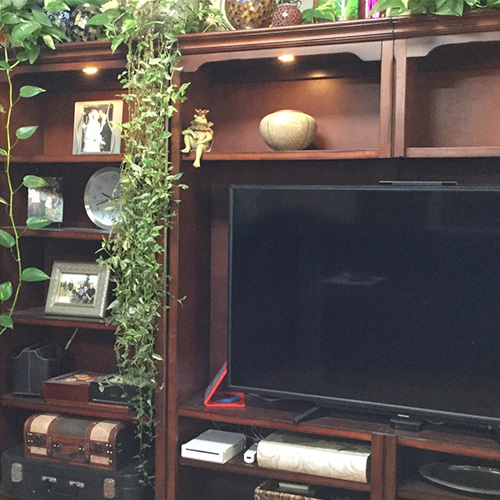
Why Choose LED Puck Lights for Your Kitchen?
Kitchen cabinet lighting is one of the most common and effective uses for LED puck lights. The kitchen is the heart of the home, but it is also a workspace where shadows can be a major hindrance. Here is why LED puck lights are the ideal choice for this environment.
1. Superior Task Lighting
The most significant advantage of installing puck lights under your kitchen cabinets is the immediate improvement in task lighting. When you stand at a countertop to chop vegetables or read a recipe, your body and the upper cabinets cast a shadow over the work surface. LED puck lights placed strategically underneath the cabinets eliminate these shadows, providing direct, bright light exactly where you need it . This makes food preparation safer and more enjoyable.
2. Aesthetic and Ambiance
Beyond pure functionality, puck lights add a layer of sophisticated ambiance to your kitchen. They create a beautiful “floating” effect, illuminating the backsplash and highlighting the textures and colors of your countertops. This is an easy and relatively inexpensive way to make your kitchen look more modern, high-end, and welcoming . With the ability to choose your color temperature, you can create the perfect mood, from a warm, cozy glow to a crisp, bright workspace.
3. Energy Efficiency
LEDs are renowned for their energy efficiency. A typical LED puck lights consumes only about 3 to 5 watts of power . This is a fraction of the energy used by older halogen or xenon models. Over time, this translates into significant savings on your electricity bill, especially if you use the lights frequently.
4. Long Lifespan
One of the most compelling reasons to choose LED puck lights is their incredible longevity. High-quality LED puck lights are designed to last for up to 50,000 hours or more . To put that in perspective, if you used the light for an average of three hours a day, it would last over 45 years. This lifespan drastically reduces the need for bulb replacements, making it a truly fit-and-forget solution.
5. Low Heat Emission
Older puck light technologies converted a lot of energy into heat, which was uncomfortable and could damage surrounding materials. LED puck lights, on the other hand, remain cool to the touch even after extended use . This makes them safe to install in areas with limited ventilation or near temperature-sensitive materials, such as wood cabinetry or inside display cases.
Types of LED Puck Lights
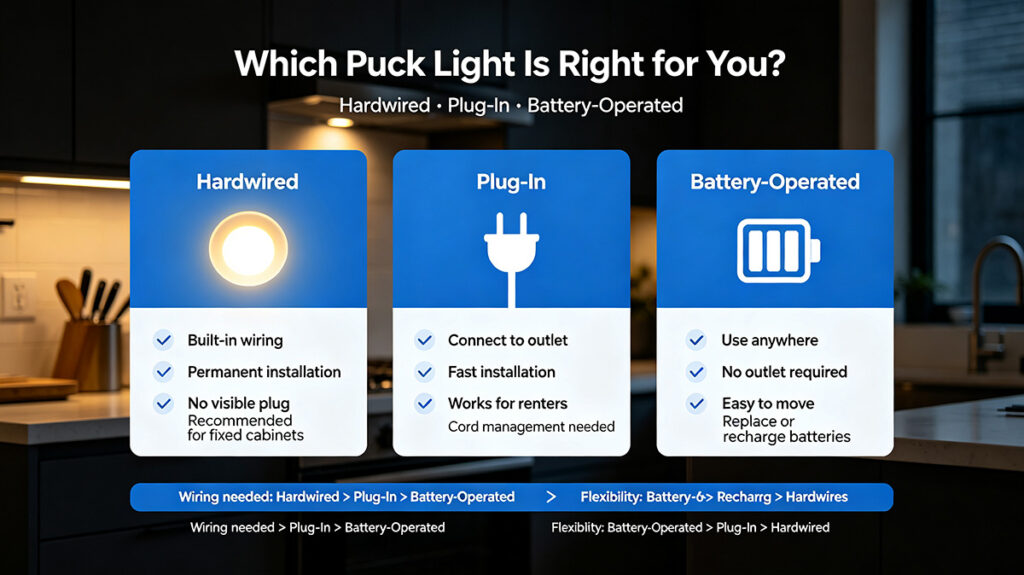
Understanding the different types of puck lights is crucial to selecting the right one for your kitchen. They can be categorized by their power source and their mounting style. Here is a breakdown of the main options available .
By Power Source
1. Hardwired LED Puck Lights
Hardwired puck lights connect directly to your home’s electrical system. They are a permanent solution, typically controlled by a traditional wall switch. This is the cleanest and most professional look, as it eliminates the need for visible cords and plugs. However, installation is more complex, usually requiring a licensed electrician and potentially cutting into walls or cabinets to run the wiring. Hardwired puck lights are an excellent investment during a new build or a major kitchen renovation .
2. Plug-In Puck Lights
Plug-in puck lights are powered by an electrical cord that connects to a standard wall outlet. This type is more accessible to install than hardwired versions, as it doesn’t require any electrical work. Many plug-in systems allow you to “daisy-chain” multiple lights together, creating a unified system from a single outlet . The downside is managing the cords, which may need to be hidden inside cabinets or with cable management kits to maintain a clean appearance.
3. Battery-Operated Puck Lights
Battery-operated puck lights are the ultimate solution for quick, tool-free installation. They are usually mounted using strong adhesive tape, making them perfect for renters, temporary setups, or locations without easy access to power . While they offer incredible flexibility and can be placed virtually anywhere, they come with a trade-off: the need for regular battery changes or recharging. Battery life can be a concern, and the adhesive may eventually fail, especially in humid or warm environments like a kitchen . They are best suited for areas where light is not needed constantly, such as inside pantries or closets, rather than daily task lighting in the kitchen.
By Mounting Style
1. Surface-Mounted Puck Lights
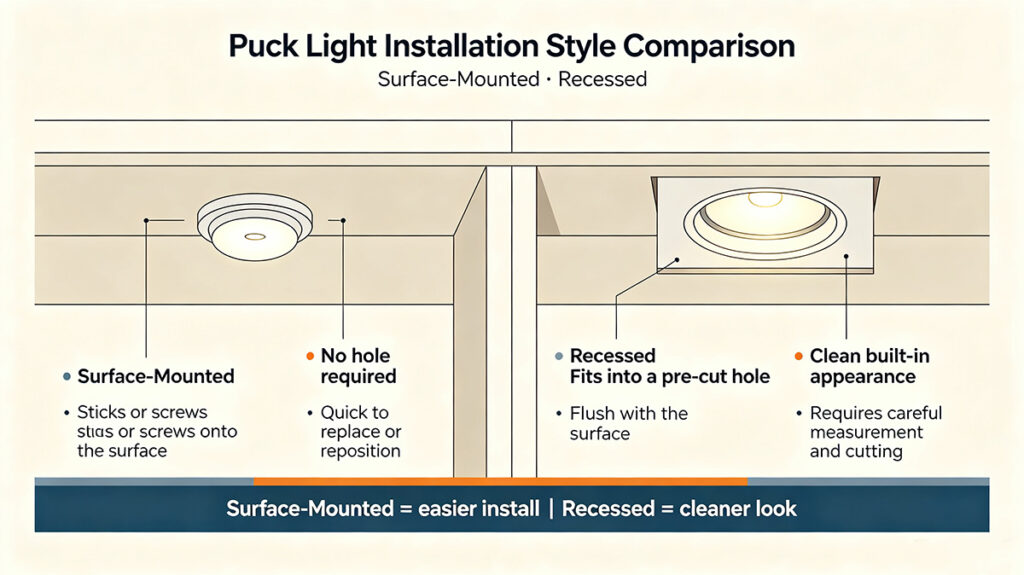
As the name suggests, surface-mounted lights are designed to be installed directly onto the surface (like the underside of a cabinet). This is the most common and versatile type, suitable for most under-cabinet applications. They are easy to install and come in a variety of designs to match any décor .
2. Recessed Puck Lights
For a truly seamless and high-end look, recessed puck lights are the way to go. These fixtures are installed into a hole drilled into the cabinet base, so the light sits flush with the surface. This creates a minimalist appearance where you see the light, not the fixture. Installation is more involved and requires careful drilling, but the result is a sleek, custom-built aesthetic that many homeowners desire .
3. Diffused vs. Clear Lens
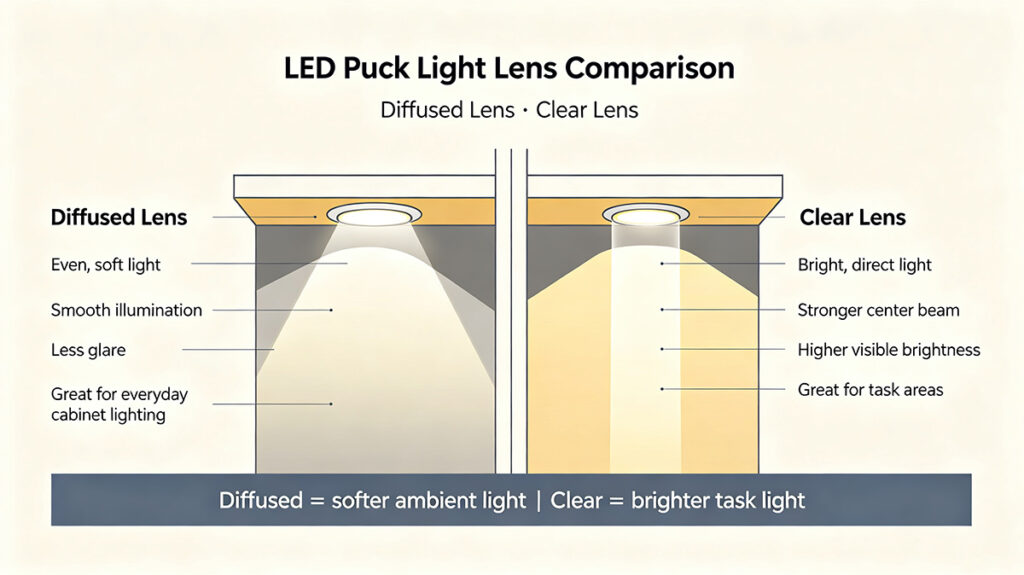
When choosing your lights, you might also encounter the choice between a diffused and a clear lens. A diffused lens uses a frosted cover to spread the light evenly, creating a soft, uniform glow and eliminating harsh “hotspots” . This is an excellent choice for general task lighting. A clear lens provides a brighter, more focused, directional beam, making it ideal for accent lighting or spotlighting specific display areas.
Key Features to Consider
When shopping for LED puck lights, paying attention to specific features will ensure you get a product that perfectly fits your needs. Here are the essential factors to evaluate .
Brightness (Lumens)
The brightness of a LED puck lights is measured in lumens. For under-cabinet kitchen lighting, you want a light that is bright enough to perform tasks without being glaring. A general guideline is to look for puck lights offering between 200 and 300 lumens per fixture for task lighting on the countertop . This provides ample light for food preparation without being overly intense.
Color Temperature (Kelvin)
Color temperature determines the “feel” of the light, measured in Kelvin (K).
- Warm White (2700K – 3000K): Creates a soft, cozy, and inviting atmosphere. This is a popular choice for living spaces, but some prefer warmer light in the kitchen for a more comfortable ambiance .
- Cool White (4000K – 5000K): Provides a bright, crisp, and clean light that is closer to natural daylight. This is the most popular color temperature for kitchen task lighting, as it maximizes visibility and contrast, making it easier to see what you are doing .
- Daylight (6000K+): A very bright, blue-toned light often used in commercial or industrial settings. While it can be beneficial for detailed work, it can feel harsh and uninviting in a residential kitchen .
Dimmability
The ability to dim your LED puck lights is a valuable feature. It allows you to adjust the brightness for different tasks or moods, transitioning from bright, focused light for prepping to a softer glow for a casual dinner party. If dimmability is important to you, ensure the puck lights you choose are compatible with dimmer switches or remote controls .
Size and Design
Puck lights typically come in a standard size of around 2.75 to 3 inches in diameter . However, it is always best to check the dimensions to ensure they will fit comfortably in your chosen location. Also, consider the design of the fixture and the color of the trim (typically white, silver, or black) to ensure it complements your cabinetry and overall kitchen décor.
Where to Use LED puck lights
While kitchen under-cabinet lighting is the most popular application, the versatility of puck lights means they can be used all over the home .
- In the Kitchen: Under wall cabinets to light countertops, inside glass-front cabinets to display dishes, or above cabinets to provide a soft, indirect glow on the ceiling.
- In the Closet: Inside wardrobes, pantries, and closets to help you see your clothes and find items easily. Battery-operated puck lights are especially convenient for these areas.
- On Bookshelves and Display Cases: To highlight your favorite books, artwork, or collectibles, creating a stunning visual effect.
- In the Bathroom: Above or next to the mirror to provide shadow-free lighting for grooming. Choose a moisture-resistant model for this location .
- Accent Lighting: To highlight architectural features like alcoves, niches, or artwork.
Step-by-Step Installation Guide
The installation process varies depending on the type of puck light you choose. Here is a general guide to installing a surface-mounted, plug-in puck light system .
1. Plan Your Layout
Before you start, plan where each light will go. For kitchens, a good rule of thumb is to space puck lights about 8 to 12 inches apart for even illumination . Use a pencil to lightly mark the positions on the underside of your cabinets.
2. Mount the LED puck lights
For most surface-mounted lights, you will find a mounting ring that separates from the light body.
- Hold the mounting ring up to your marked spot and use it as a template to mark where the screws will go.
- If you are installing into wood, drill small pilot holes to make the process easier.
- Screw the mounting ring securely into place .
- If you are using adhesive-backed battery lights, simply clean the surface with rubbing alcohol and press the light into place .
3. Run the Wires
This is often the trickiest part for plug-in systems.
- Hidden Wiring: For the cleanest look, you can drill small holes in the bottom or back of your cabinets to route the wires inside, keeping them completely out of sight .
- Surface Wiring: Many mounting rings feature a notch or channel where you can route the wire flat against the cabinet surface to make it less noticeable .
4. Connect and Link
Plug the small power cord into the LED puck lights. For systems that allow linking, use the provided linking cables to connect each light in a series (daisy-chain) . Connect the final light or the first light to the main power supply or adapter.
5. Attach the Light and Test
Once the wiring is complete and everything is connected, snap or twist the puck light body back into the mounting ring. Turn on the power to test your new lighting system and adjust the angle of the lights if they are adjustable .
Advanced Buying Guide: Beyond Lumens and Kelvin
While brightness and color temperature are the first things most people consider, a truly informed purchase goes deeper. To ensure your LED puck lights deliver professional-grade results, there are two additional technical specifications you must evaluate: the Color Rendering Index (CRI) and beam angle.
Understanding CRI (Color Rendering Index)
The Color Rendering Index measures a light source’s ability to reveal the true colors of objects compared to natural sunlight. On a scale of 0 to 100, sunlight scores a perfect 100. For kitchen task lighting, this metric is non-negotiable. When you are preparing food, you need to distinguish between similar shades—think raw chicken versus cooked chicken, or fresh herbs versus wilted ones. A low CRI light (below 80) will wash out colors, making everything look dull and grey. Always opt for LED puck lights with a CRI of 90 or higher. While these may cost slightly more, the visual clarity they provide on your countertops and backsplash is dramatically superior, making your kitchen look vibrant and professionally lit.
Beam Angle and Light Distribution
Not all puck lights shine light in the same way. The beam angle determines how the light spreads across your countertop.
- Narrow Beam (15-30 degrees): This creates a focused “spotlight” effect. It is excellent for highlighting specific decorative objects inside glass cabinets but is poor for general task lighting, as it will create harsh hotspots and deep shadows between the pools of light.
- Wide Beam (60-120 degrees): This is the gold standard for under-cabinet lighting. A wide beam angle ensures the light spreads evenly across the full depth of your countertop, from the back edge of the cabinet to the front. When shopping, look for fixtures that mention “flood” or “wide distribution” to ensure you get seamless, shadow-free illumination.
Wiring Configurations and Power Supplies: What You Need to Know about LED puck lights
When choosing plug-in or hardwired systems, the power supply (or driver) is the brain of the operation. Many first-time buyers overlook this component, leading to flickering or underpowered lights.
- Matching Voltage: Most LED puck lights operate on low voltage (12V or 24V). Your system will require a driver to convert the standard 120V household current down to this level. Crucially, you must match the driver’s wattage to the total wattage of all connected lights. Add up the wattage of each puck light you plan to install and ensure the driver’s capacity is at least 20% higher than that total to prevent overheating and premature failure.
- Series vs. Parallel Wiring:
- Series (Daisy-Chaining): This is the most common setup for plug-in kits, where each light links to the next. It is simple and requires less cable, but if one connection fails, the rest of the chain can go out too.
- Parallel Wiring: This involves running a separate wire from the power source to each individual light. While it uses more cable, it is far more reliable. If one light fails, the others stay on, and all lights receive equal voltage, ensuring uniform brightness across the entire run.
Creative Applications: Thinking Beyond the Kitchen
We have extensively covered the kitchen under-cabinet scenario, but the versatility of LED puck lights extends to numerous other home applications. For homeowners looking to maximize value, consider using them in the following creative ways:
- Inside Drawers and Pull-Outs: Install battery-operated slim puck lights inside deep drawers or pull-out pantries. When you open the drawer, you instantly get light on the contents, making it easier to find spices or utensils at the back.
- Stairway Lighting: Recessed puck lights can be installed into the wall or stair risers to provide subtle, safety-oriented night lighting for hallways and staircases, preventing trips during midnight excursions.
- Outdoor Ceilings (Covered Patios): If you have a covered porch or gazebo, select wet-rated puck lights to create a beautiful starry-night effect on the ceiling, adding immense ambiance to outdoor entertaining spaces.
Frequently Asked Questions (FAQ) About LED Puck Lights
To help you make the final decision quickly, here are answers to the most common questions we receive from homeowners.
Q: How many LED cabinet puck lights do I need for my kitchen?
A: As a general rule, plan for one puck light for every 8 to 12 inches of cabinet space, depending on the lumen output. For a standard 36-inch cabinet section, you will typically use 3 to 4 lights to eliminate shadows effectively.
Q: Can I leave LED puck lights on all night?
A: Yes, because they produce very little heat and consume minimal energy. However, for longevity, it is best practice to use a dimmer or a timer so they are not running at 100% capacity for extended periods unnecessarily.
Q: My plug-in puck lights are flickering. What is wrong?
A: This is usually caused by a mismatch between the dimmer switch and the LED driver (if using dimmable lights). Alternatively, it could be a loose connection in the daisy-chain wiring. Check all connection points and ensure your dimmer is specifically rated for LED loads.
Q: Are puck lights safe to install inside wood cabinets?
A: Absolutely, especially LED puck light. Unlike halogen versions, they remain cool to the touch. When installing recessed versions inside wood cabinets, the minimal heat generated will not damage the wood fibers or glue over time, making them perfectly safe for enclosed spaces.
Conclusion
LED puck lights are an exceptionally effective, versatile, and stylish lighting solution, particularly for kitchen cabinets. Their compact size, energy efficiency, and superior illumination make them the perfect choice for anyone looking to improve their task lighting and home ambiance.
By understanding the different types of LED puck lights—from hardwired to battery-operated, and surface-mounted to recessed—you can make an informed decision that best suits your needs, budget, and level of DIY experience. Whether you are undergoing a full kitchen remodel or simply looking for a quick, impactful upgrade, LED puck lights offer a bright, modern, and long-lasting solution that will enhance your home for years to come.
LED puck lights, Under cabinet lighting, Kitchen task lighting, How to install puck lights, Energy efficient kitchen lights, Dimmable LED fixtures, Recessed lighting, Modern kitchen design
Request Pricing & Technical Details
Please fill in the form below and our team will reply within 24 hours.